KLD is moving ahead with its plans to officially bring the Reserve Officers' Training Corps (ROTC) program for the Academic Year 2026–2027. This program offers a structured path for students who want to build personal discipline, learn leadership skills, and practice patriotism through military training and civic service. In partnership with the 4th Regional Community Defense Group (4RCDG) under the Army Reserve Command (ARESCOM) of the Philippine Army, KLD wants to prepare its students to become responsible citizen-soldiers. These future reservists will be trained to help with national safety, emergency disaster response, and community rescue operations.
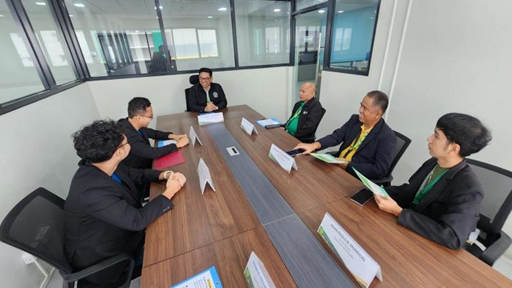
The process to activate the program started earlier this year. KLD and military officials held their first official meeting on February 3, 2026, to launch Phase 1 of the activation. This initial step focused on creating, refining, and submitting the official ROTC proposal, a task led by Institute of Foundational Studies (IFS) Dean Jaycee N. Toledo and NSTP Coordinator Lorielyn S. Cong-ay. The planning moved to Phase 2 on April 15, 2026, during a second meeting with the 4RCDG officers. This phase involved an on-site inspection and evaluation of the KLD campus facilities to make sure the grounds are fully ready for military drills, physical training, and command exercises.
Once active, the ROTC curriculum will give cadets a wide range of practical skills. Students who join will participate in military drills, character formation, physical fitness training, and leadership exercises. They will also learn critical public safety skills, including first aid, emergency preparedness, disaster rescue operations, and national security awareness. The overall program is designed to build confidence, teamwork, and a strong sense of duty to the country, preparing students to lead both in civilian life and during national emergencies.
Currently, the data shows that about 170 incoming first-year students have expressed interest in joining the program through initial surveys. However, the military requires a minimum of 350 cadets to formally activate an ROTC unit. To close this gap, there will be an orientation that will clearly explain the differences and benefits of both the ROTC and the Civic Welfare Training Service (CWTS) components. By giving the new students detailed information early on, the administration hopes to encourage more freshmen to sign up, reach the required enlistment target, and successfully launch this disciplined leadership track on campus.