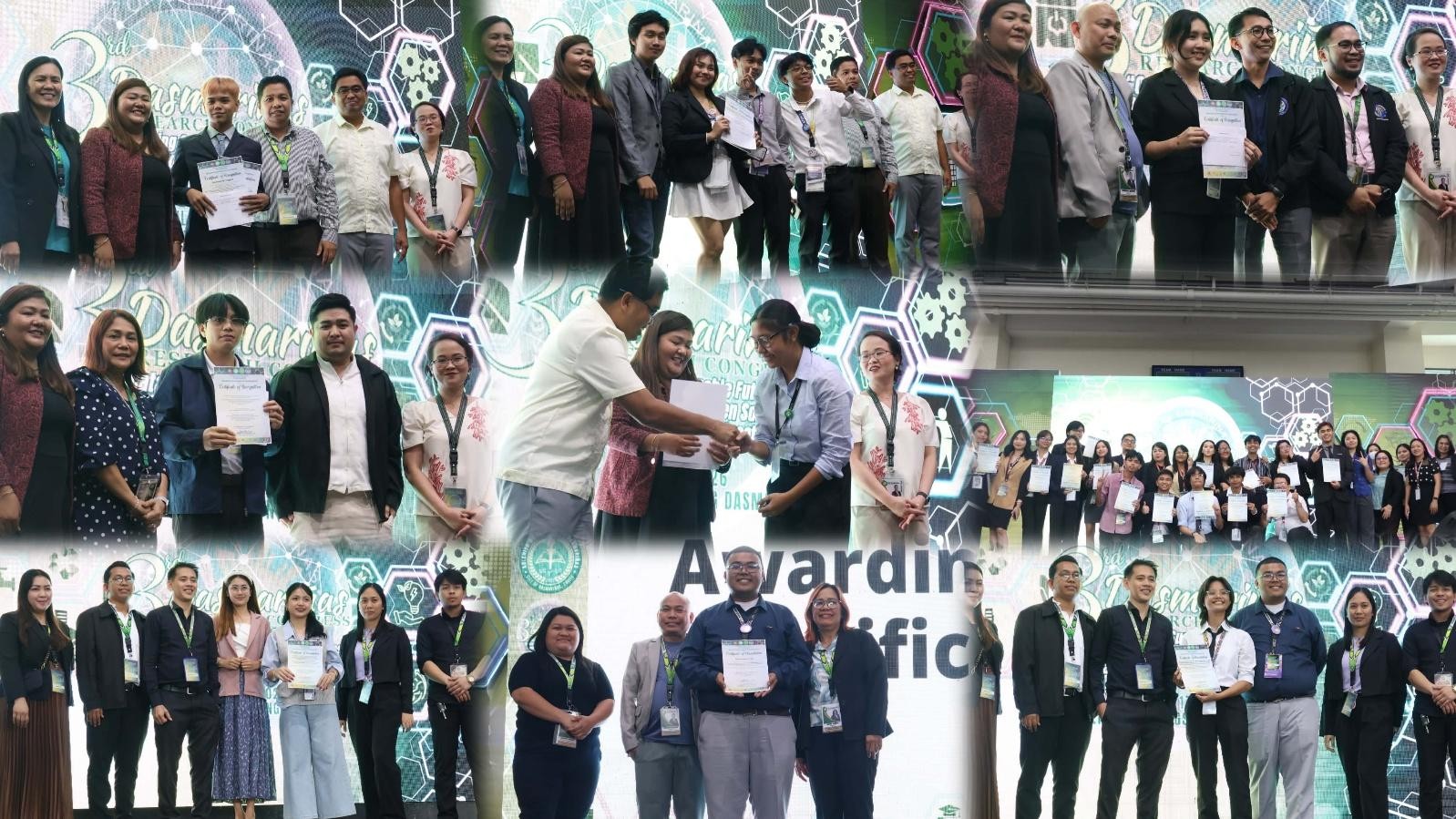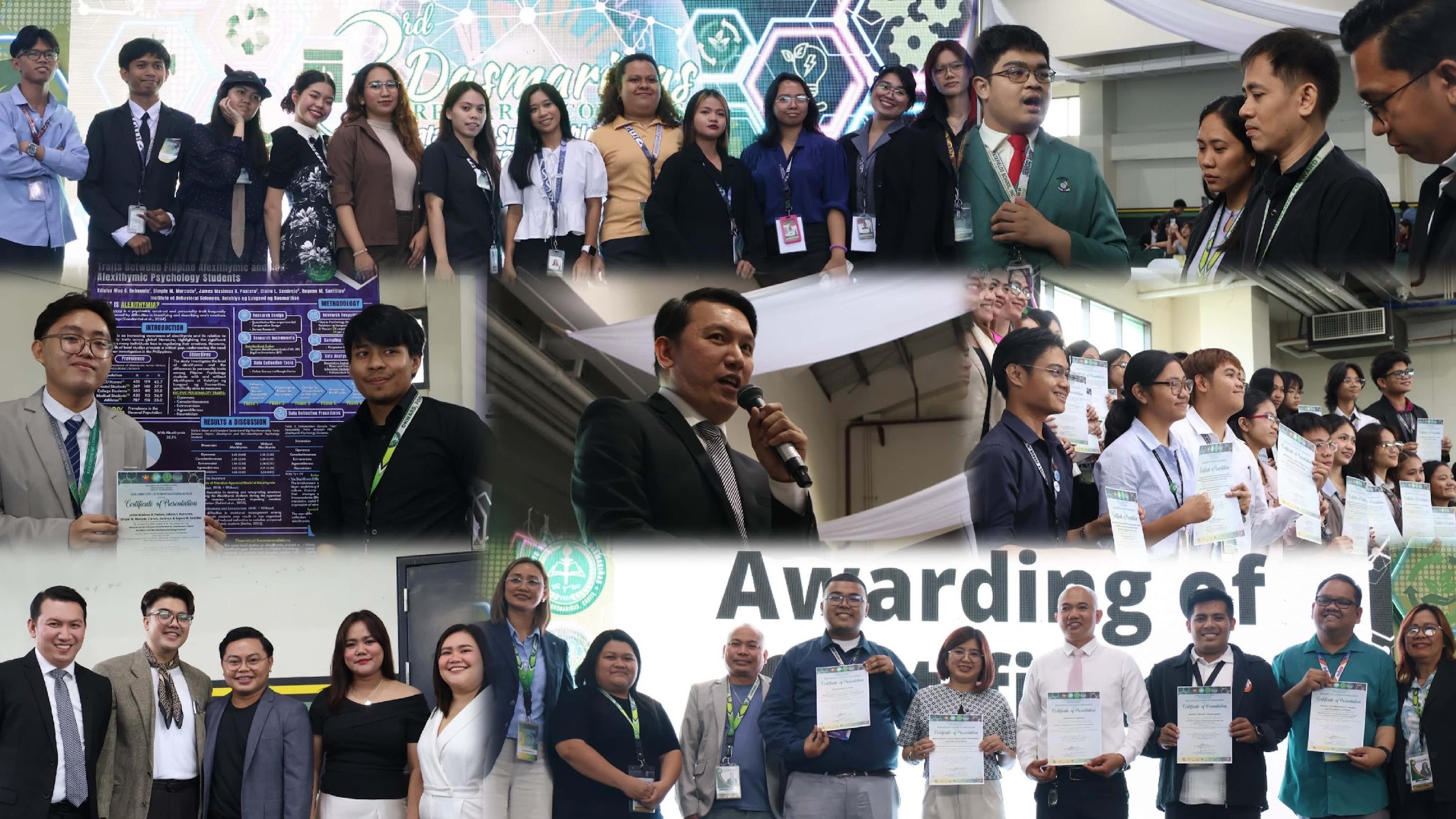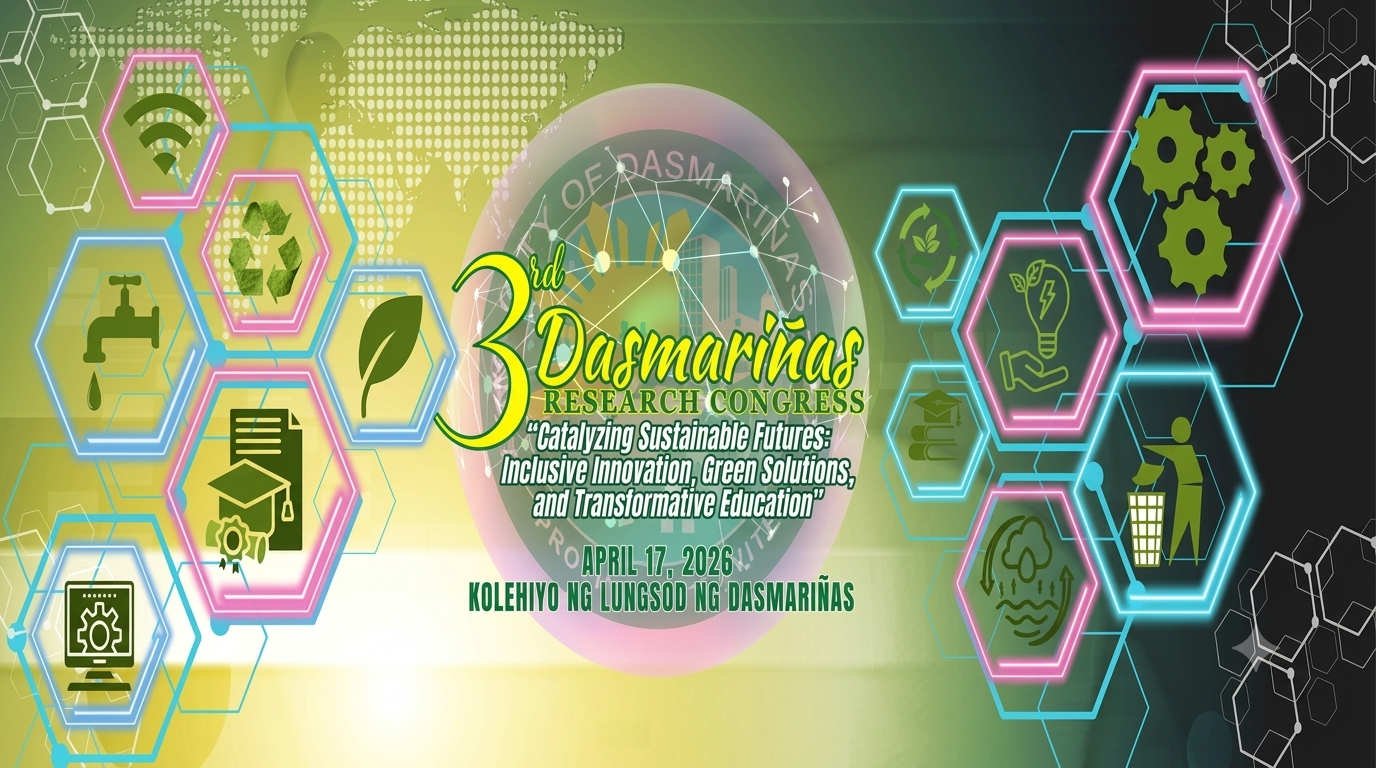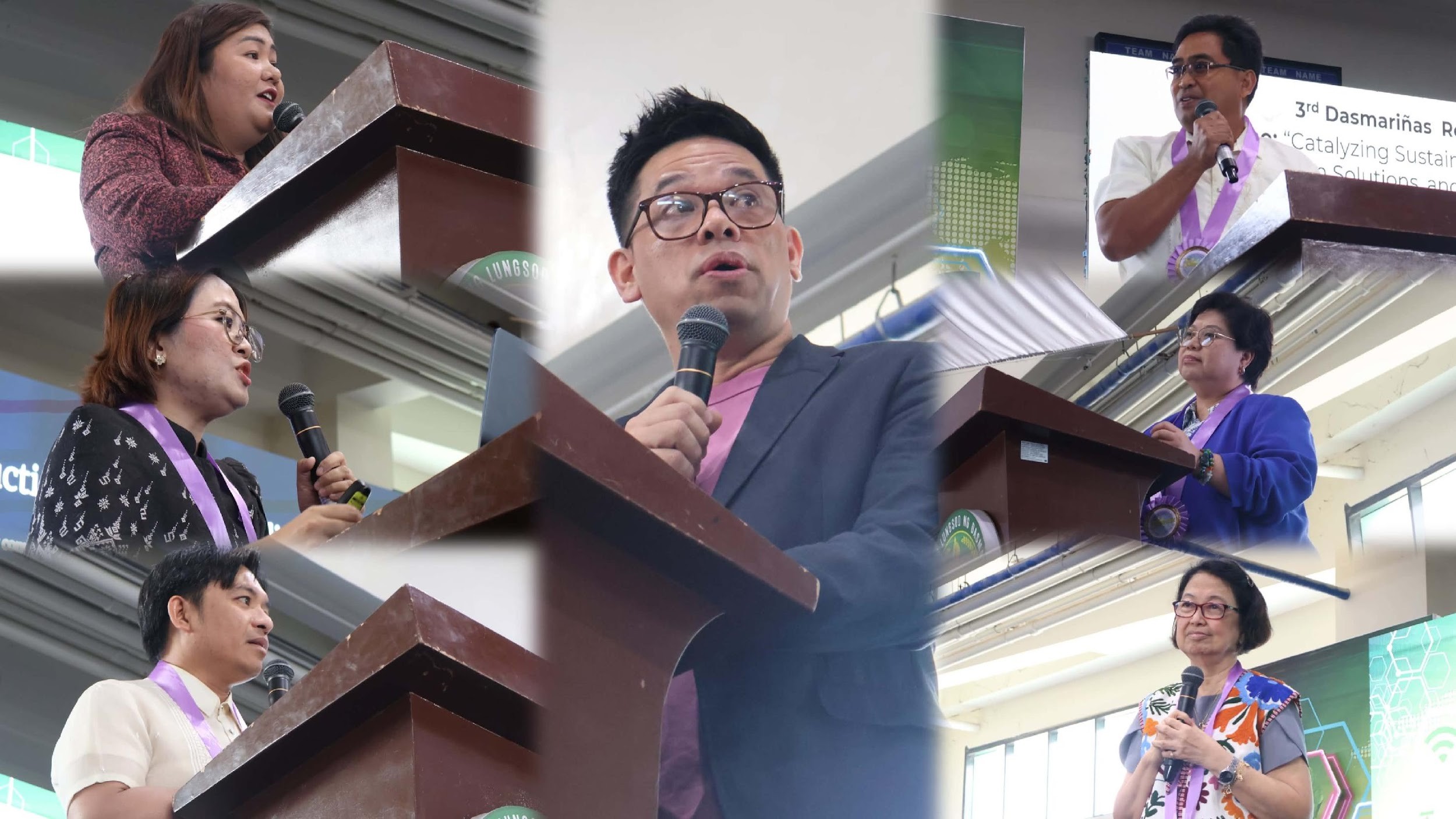
The plenary and keynote sessions served as the intellectual anchor of the congress, providing attendees with strategic frameworks for institutional change. Dr. Jennie V. Jocson, the Executive Director V of the Teacher Education Council Secretariat, set the baseline for the congress as the keynote speaker, delivering structural perspectives on national educational trajectories, systemic learning delivery, and professional teacher development standards. In her address, she noted that the true metric of modern academic progression relies on creating proactive, multidisciplinary platforms. She explained that "scholarly endeavors must move past theory, functioning instead to translate and actualize actionable research that creatively addresses the pressing issues, concerns, and demands of a continuously evolving environment".
Following the keynote address, three specialized plenary speakers detailed the specific pillars of the event's theme. Dr. Milwida M. Guevara led the discussion on transformative education, offering strategies to reform teaching practices for shifting societal needs. She emphasized that addressing modern educational imbalances requires a unified commitment from all educational stakeholders. Dr. Guevara stated that "everyone plays a vital role in building sustainable futures, transforming knowledge into action, and fostering communities that are resilient, equitable, and environmentally conscious".
Dr. Hernando P. Bacosa addressed green solutions, highlighting scientific methods, resource management protocols, and empirical frameworks needed to handle modern ecological risks. He stressed the immediate need for localized adaptations to offset broader climate disruptions, pointing out that environmental degradation and economic instability cannot wait for delayed policy responses. Dr. Bacosa called on the scientific and academic communities to prioritize tangible eco-friendly systems, remarking that "our collective efforts can become valuable solutions for creating meaningful change for both local and global communities".
Assistant Professor Blancaflor P. Arada concluded the plenary segment with a focus on inclusive innovation, explaining how technological design, digital solutions, and community systems must prioritize social equity to bridge gaps in modern communities. She paid specific attention to the fast-moving digital landscape, particularly noting the integration of modern automation tools. Professor Arada observed that "the congress specifically emphasizes the synergy between technological advancement and social responsibility, and how this synergy bridges the gap towards achieving an equitable society". Her concluding remarks served as a call to action for the next generation of innovators, reminding the audience that "what we do today can either make or break our tomorrow".