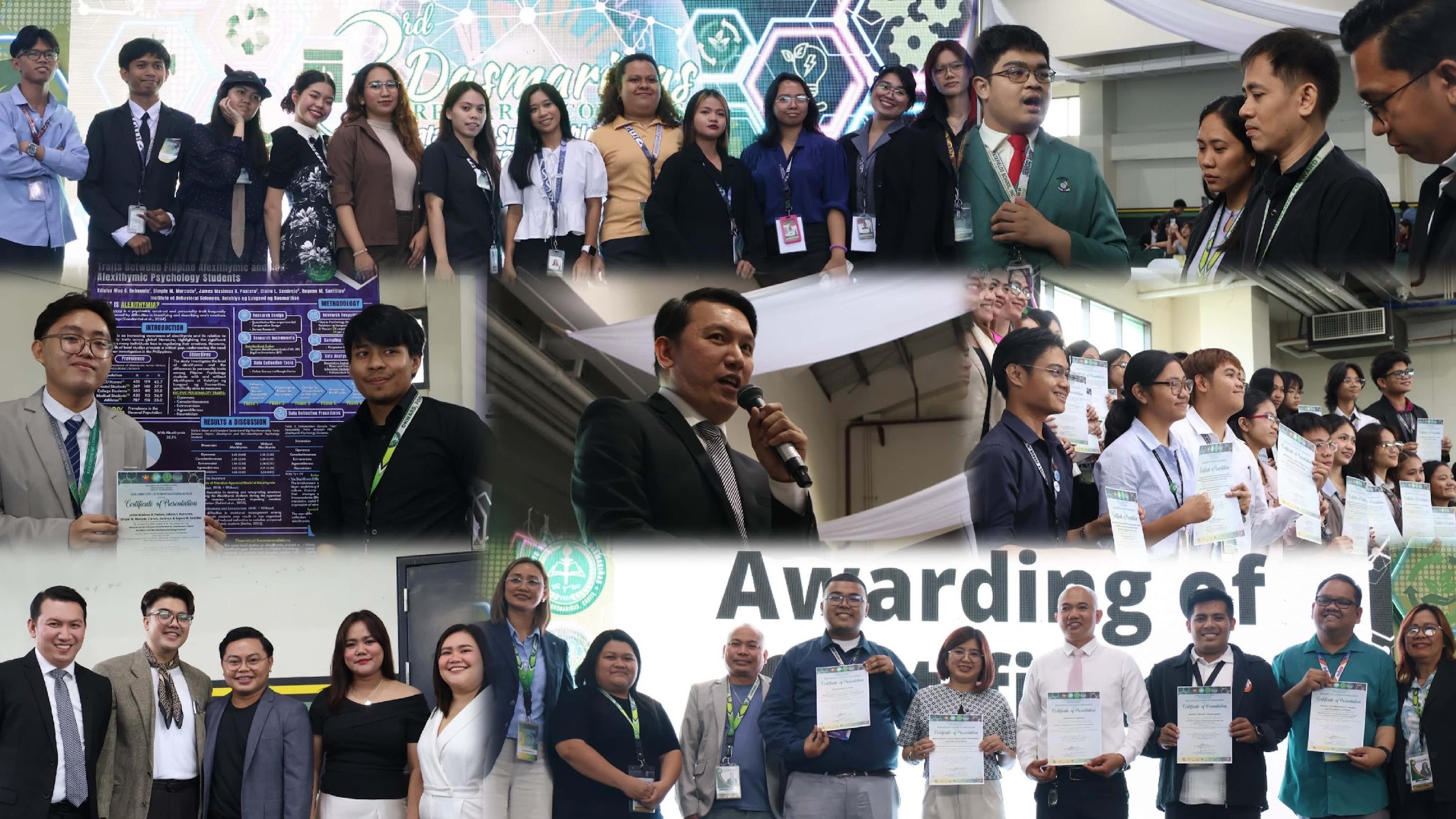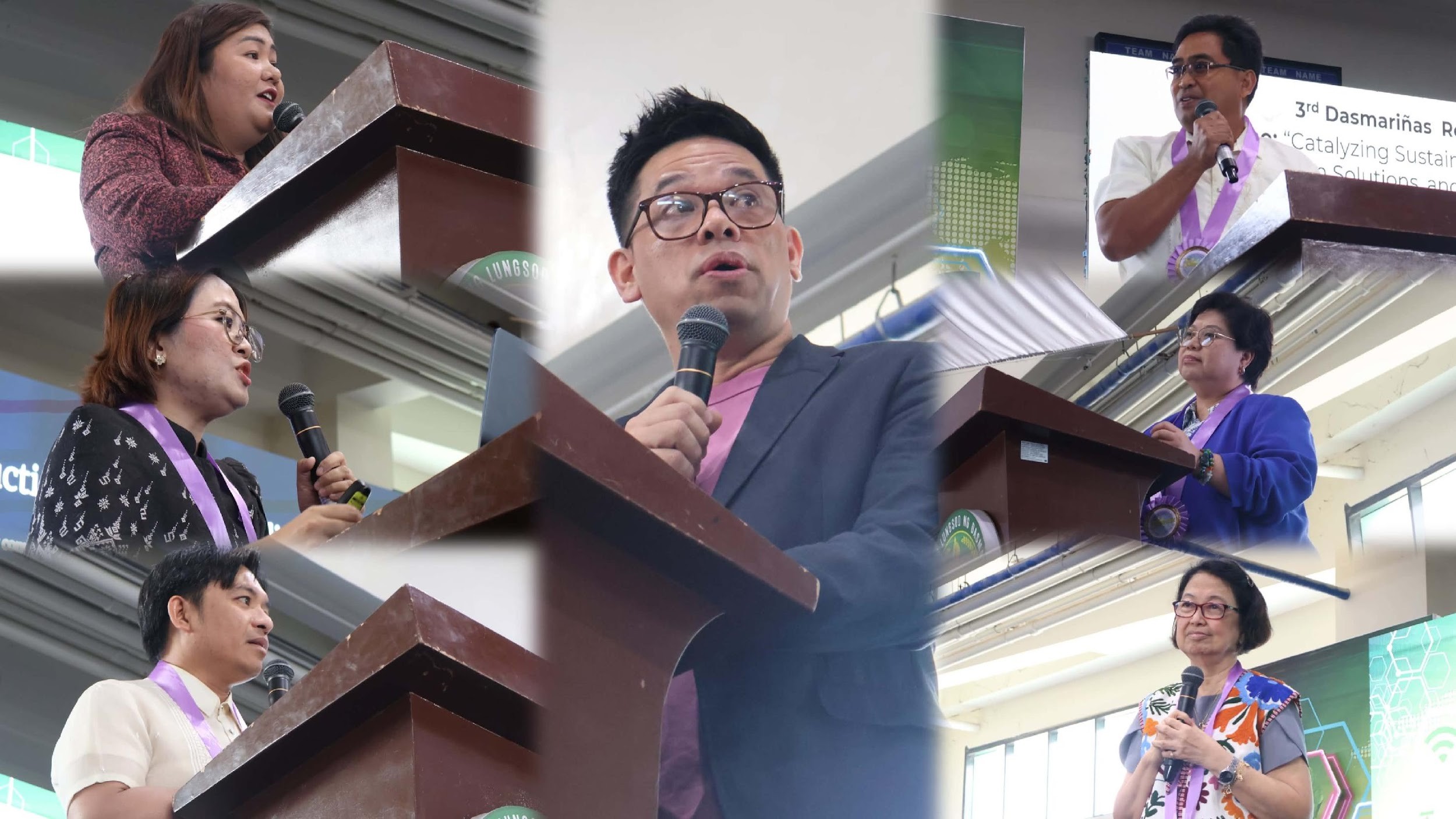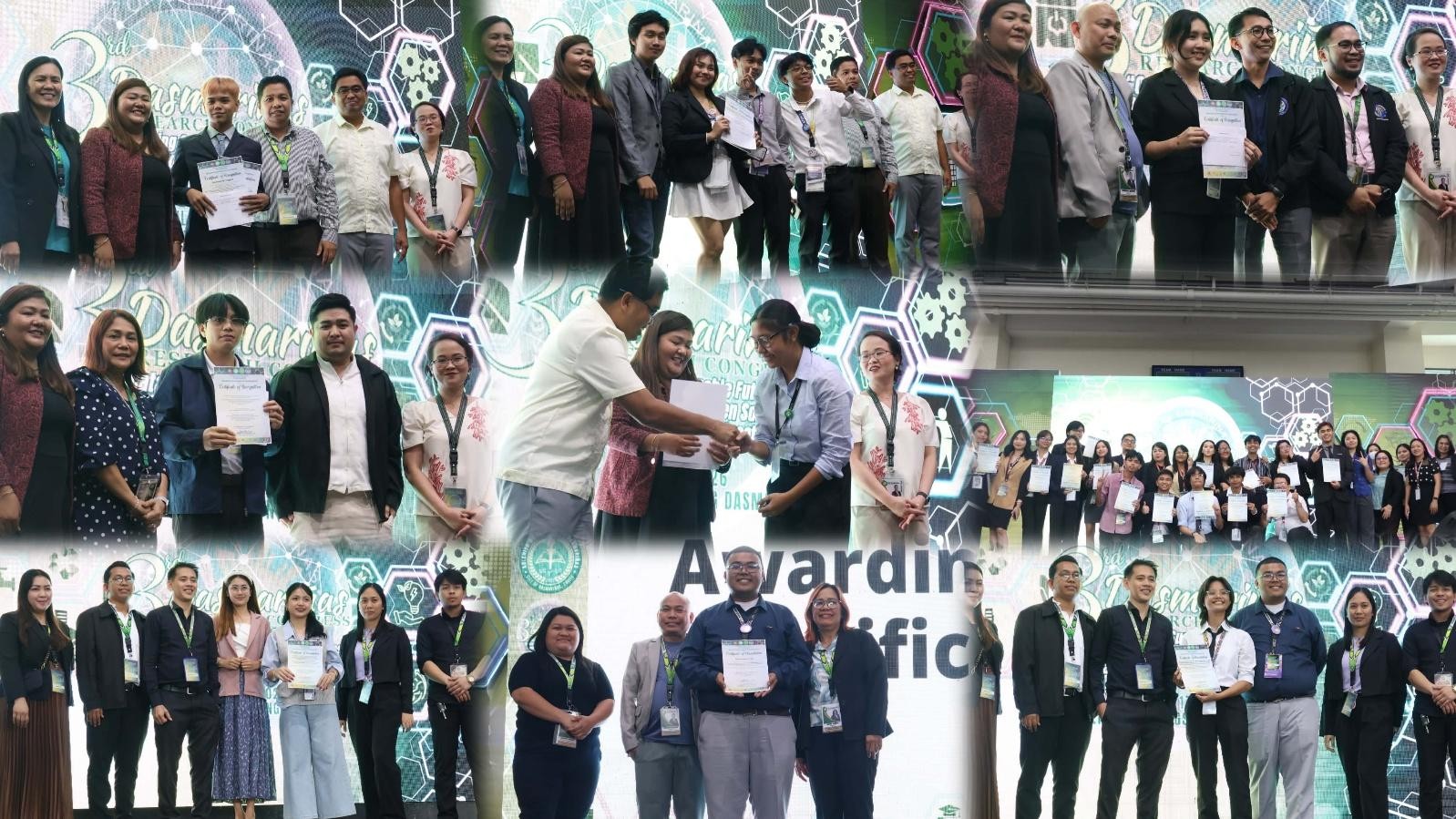
Academic professionals, independent scientists, and young student innovators from across the region converged at the 3rd Dasmariñas Research Congress (DRC) to present scientific breakthroughs and data-driven policies. Organized around a matrix of progressive competitive categories, this year’s Research Congress emphasized immediate, scalable answers to modern societal struggles. From high-tech waste conversion to structural upgrades for transport laborers, the event highlighted the deep bench of research talent currently addressing public welfare, technology, and environmental health.
Core Academic Pillars and the Institutional Roadmap
The presentation tracks of the 3rd Dasmariñas Research Congress were strategically categorized into six academic themes, each addressing a specific developmental vulnerability or public opportunity. The first track, Green and Climate-Smart Solutions, concentrated on designs engineered to minimize environmental decay, incorporating research on waste-to-energy conversion, local hydroponics, and tracking biological indicators inside community schools. The Digital Transformation and Smart Solutions track targeted mechanical and programming upgrades, looking into automated agri-logistics, AI implementation in recruitment, and security tracking models. Under the Community Resilience and Well-being pillar, presenters navigated public safety issues, tracking disaster risk reduction routines during major typhoons and tracing how low-income households handle sudden displacements.
Universal design and public equity took center stage in the Inclusive Innovation track, which prioritized infrastructure adjustments for marginalized groups, communication interfaces for deaf populations, and labor assessments of transportation workers. The Sustainable Governance and Policy Research branch examined compliance structures, reviewing the fiscal habits of micro-enterprises and tracking tax changes in digital marketplaces. Finally, reflecting KLD's primary pedagogical mandate, the Transformative Education and Lifelong Learning track audited modern classroom methods, specifically measuring how generative artificial intelligence and automated reading software alter literacy and learning outcomes among students.